Car Window Films Legal Rules in India: Complete Guide
When you're thinking of using window films in your car, one question always comes to mind — is it legal?
It's a fair question. Laws around window tinting have changed over the years, and there's a lot of confusion. Some people think all window films are illegal. Others believe anything "lightly tinted" is fine. Neither is entirely correct.
This guide breaks down the Car Window Films Legal Rules in India in simple, easy-to-understand language — no complex legal jargon, no vague explanations. Just what you actually need to know before buying a window film.
Whether your goal is heat reduction, UV protection, privacy, or protecting your car's interior, understanding the law first will save you time, money, and hassle.
Why Car Window Films Are So Popular in India
Anyone who's driven in an Indian summer knows how brutal the cabin heat can get. Within minutes, the interior warms up and the steering wheel becomes too hot to hold.
That's why most car owners install window films — to:
Keep the cabin cool
Block harmful UV rays
Prevent leather and upholstery from fading
Improve driving comfort
Reduce glare from sunlight
Add privacy without making the car too dark
These are all practical benefits, but there are legal boundaries to keep in mind.
What Are the Car Window Films Legal Rules in India?
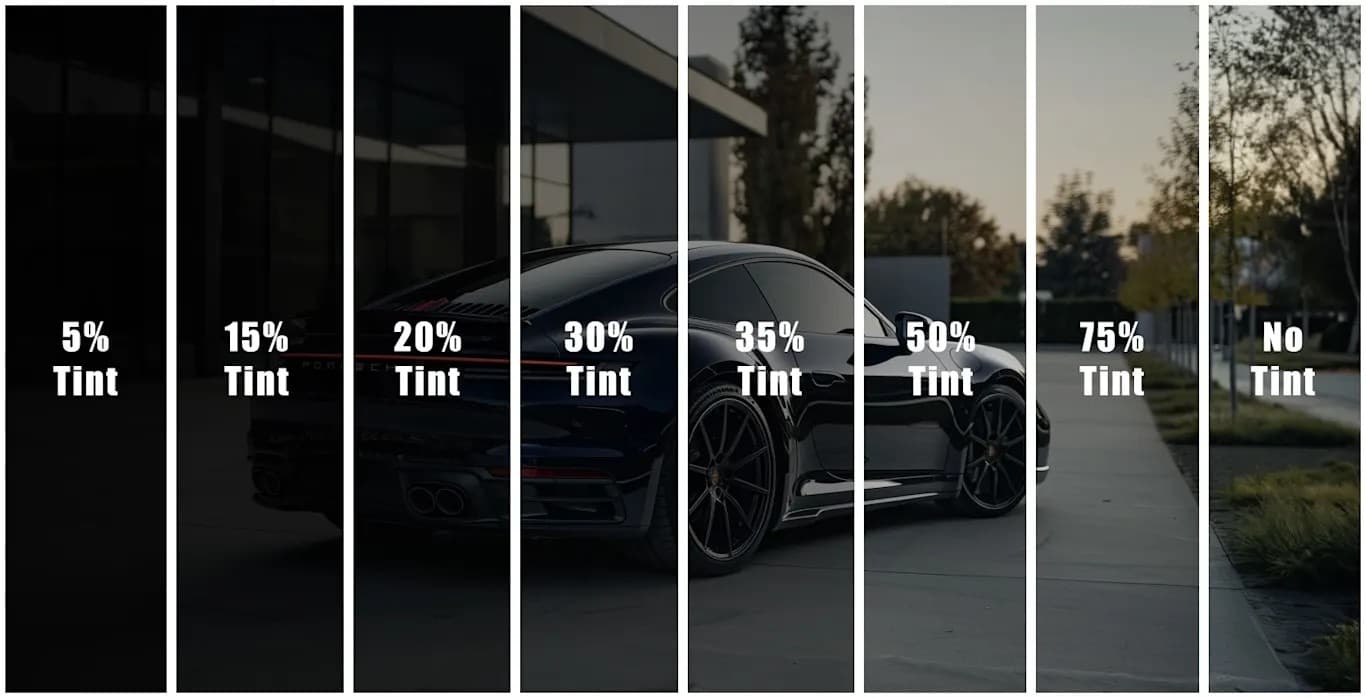
The rules mainly revolve around one factor: Visible Light Transmission (VLT).
VLT measures how much visible light passes through your car's glass.
70% VLT means 70% of outside light enters the vehicle
50% VLT means only half the light gets in
The darker the film, the lower the VLT percentage. Indian law focuses on maintaining a minimum level of visibility for road safety.
What Does the Law Actually Say?
Under the Central Motor Vehicles Rules, the minimum VLT limits are:
Glass | Minimum VLT |
|---|---|
Front Windshield | 70% |
Rear Windshield | 70% |
Side Windows | 50% |
If your vehicle maintains these visibility standards, it meets the legal requirement. Many newer cars already come with factory glass designed within these limits.
Why Did India Become Strict About Window Films?
A few years ago, heavily tinted vehicles became a growing concern. Police found it difficult to identify occupants during investigations, and road safety experts flagged that very dark windows reduce visibility at night and in heavy rain.
The matter eventually reached the Supreme Court, and enforcement has been stricter across states ever since — which is exactly why checking legal limits before installation matters.
Factory Glass vs. Aftermarket Window Films
This is where a lot of confusion happens.
Factory-installed glass already has a specific light transmission level built in.
Aftermarket films are applied on top of that existing glass.
Even a "light" aftermarket film can push your total VLT below the legal limit when combined with factory glass — which is why professional testing before and after installation matters.
Can You Install Window Films Legally?
Yes — as long as your vehicle continues to meet the required VLT after installation.
Many premium ceramic and clear heat-rejection films are designed specifically for this. They cut heat significantly while still allowing enough visible light through to stay compliant. This is why choosing the right product matters more than choosing the darkest one.
Types of Car Window Films Available
Dyed Window Films
Budget-friendly, improve appearance and offer basic glare reduction, but limited heat rejection.
Metalized Films
Reflect heat effectively, though some versions can interfere with GPS, mobile signal, or FASTag performance.
Carbon Films
Better heat reduction, holds its appearance longer without fading — a popular mid-to-premium choice.
Ceramic Window Films
The most popular premium option. Ceramic films can:
Reject significant heat
Block UV rays
Reduce glare
Maintain strong visibility
Avoid signal interference
This combination makes ceramic films especially well-suited to Indian weather conditions.
Benefits of Legal Window Films
Lower cabin temperature
Better driving comfort
Reduced AC usage
Less dashboard and upholstery fading
UV protection
Improved visibility in bright afternoon sun
Reduced eye strain while driving
These benefits are most noticeable on long highway drives and daily city commutes.
Common Myths About Car Window Films
Myth 1: All window films are illegal.
False — legality depends entirely on the final VLT after installation.
Myth 2: Darker film means better heat rejection.
Not always — modern ceramic films reject substantial heat while staying nearly clear.
Myth 3: Privacy is the only reason people install films.
Many drivers install them primarily for UV protection and temperature control.
Myth 4: Every state follows different rules.
Enforcement may vary by state, but the underlying VLT standards are based on national regulation.
How Traffic Police Check Window Tint
Officers may use a Visible Light Transmission meter to measure how much light passes through the glass. If the reading falls below the legal threshold, the vehicle owner can face penalties under applicable traffic rules. Routine checks often happen during special traffic enforcement drives.
How to Choose a Legal Window Film
Before buying, ask:
What is the VLT percentage?
Will it remain legal after installation?
Does it block UV rays effectively?
Does it reduce heat well?
Is it backed by a warranty?
Is it installed by trained professionals?
A good installer will walk you through these details upfront. If they avoid the VLT conversation entirely, that's a red flag.
Things You Should Never Do
Don't install extremely dark films just because they look stylish
Don't assume every shop understands the legal requirements
Don't rely only on online opinions
Don't pick the cheapest option without checking specs
Don't overlook installation quality — poor installs cause bubbling, peeling, and reduced visibility
Frequently Asked Questions
Are car window films banned in India?
No. Legality depends on whether the vehicle meets the required VLT limits.
Can I install ceramic window films?
Yes — many ceramic films are designed to cut heat while staying within legal visibility limits.
What is the legal VLT percentage?
Front windshield: 70% · Rear windshield: 70% · Side windows: 50%
Can I be fined for illegal window films?
Yes, if your vehicle doesn't comply with visibility requirements under the Motor Vehicles Act.
Do window films reduce cabin temperature?
Yes — quality films significantly cut heat entering the vehicle.
Are factory-tinted windows legal?
Yes, factory glazing is manufactured to meet applicable standards.
Which window film is best for Indian weather?
Ceramic films are widely preferred for strong heat rejection without excessive darkness.
Expert Tips Before Installing Window Films
Buy from a reputable installer
Ask for the film's VLT rating
Get a proper invoice
Prioritize heat rejection over darkness
Understand your warranty terms
Ensure the glass is properly cleaned before application
Don't get swayed by the cheapest quote — it usually costs more later
Final Thoughts
Car Window Films Legal Rules in India sound complicated at first, but they really come down to one thing: visibility. The regulation is about how much light passes through your windows — not simply whether a film is installed.
If your goal is a cooler cabin, better UV protection, and a more comfortable drive, you don't need the darkest film available. Plenty of options deliver excellent heat rejection while staying fully within legal limits.
Always check the VLT rating, get it installed by professionals, and make sure your vehicle continues to meet the prescribed standard.