A customer came in last month shaken up after a minor accident, his side window had gone completely, not cracked, gone, into a pile of little pebble-like pieces all over the seat. He kept asking if that was normal. It is, actually, and that's the whole point of what we're getting into here.
Most people never think about their car's glass until a moment like that. So let's talk about what's actually going on with it, and why it matters more than people give it credit for.
What Safety Glazing Even Means
Regular glass, the kind in a window at home, breaks into long jagged shards. Nasty stuff. Car glass isn't supposed to do that, and mostly, it doesn't, because of how it's built.
Your windshield is laminated, meaning it's two sheets of glass with a thin plastic layer glued between them. Crack it, and instead of falling apart, the whole thing stays held together as one piece, spiderwebbed maybe, but intact. Your side and rear windows work differently, they're tempered, heat treated so that if they break, they crumble into small rounded chunks instead of blades of glass.
That's the baseline. Add film on top of tempered glass, specifically the kind built for safety and security, and now those broken pieces don't scatter everywhere either, the film holds the whole shattered pane together like a sheet.
Why This Actually Matters, Not Just Sounds Nice
People tend to think seatbelts and airbags are doing all the safety work in a crash and the glass is just there. Not quite true.
A few things safety glazing is actually doing for you. It cuts down the chances of anyone getting sliced up by flying glass in a collision. It keeps your windshield in one piece well enough to actually support proper airbag deployment, since the windshield does more structural work than people assume. It makes it harder for someone to get thrown partway out through a broken side window. It slows down anyone trying to smash their way in, because filmed glass takes real effort to break through completely. And it lets you actually move the car after an accident, since the glass stays together instead of leaving you with a cabin full of loose shards.
That last one came up with the customer I mentioned. His window was shattered, properly shattered, but the film held it in one sheet well enough that the car was still driveable afterward. Without it, he would have been picking glass out of the seats and driving with an open window.
Where the Confusion Usually Starts
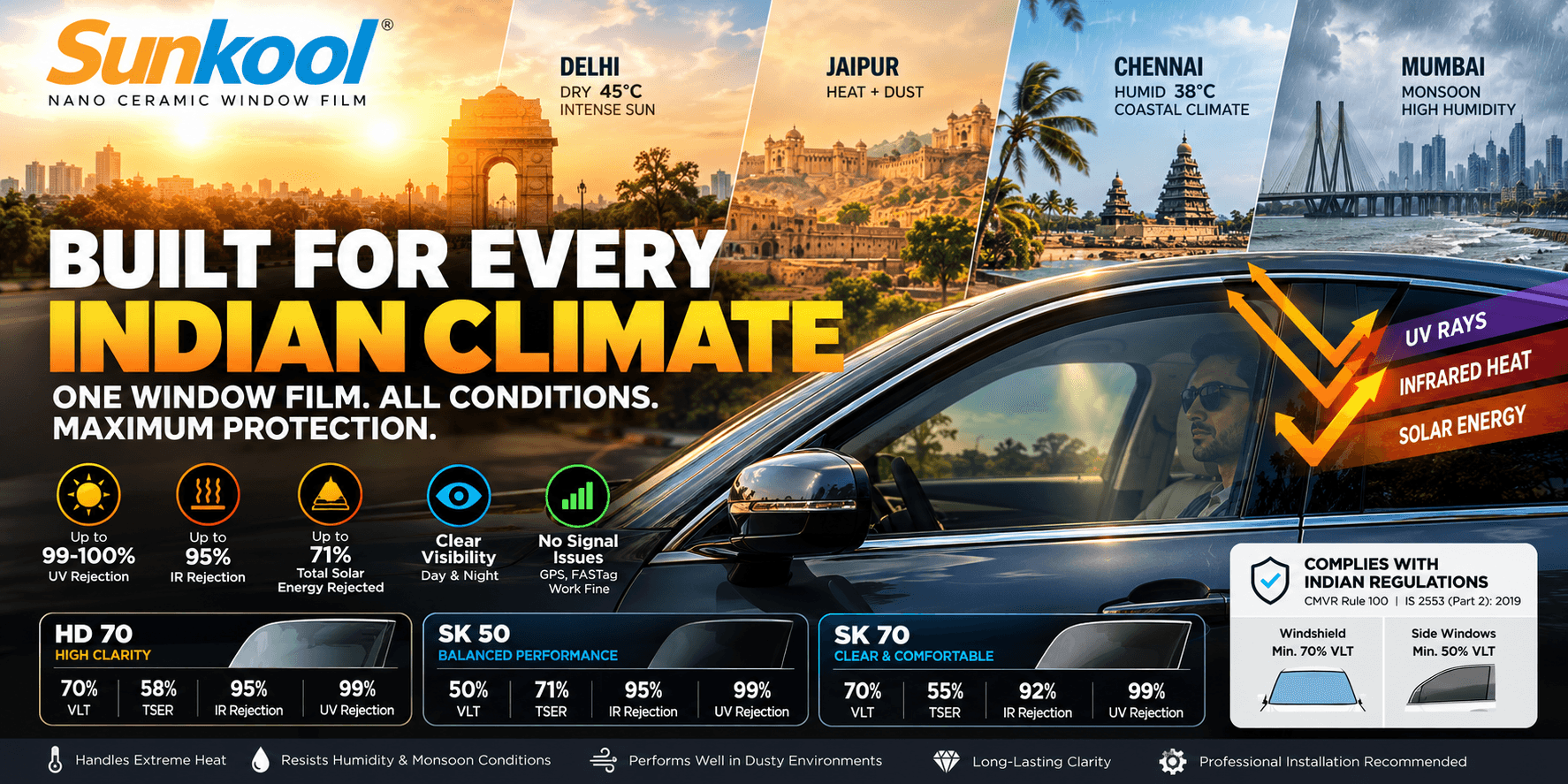
A lot of people lump tint film and safety film together, assuming it is the same thing with different marketing. Not exactly. Regular tint film is picked for heat and glare, mainly. Yes, it adds a little shatter resistance as a bonus, but that is not what it is built or tested for. Safety and security film is a different product altogether, thicker, stronger adhesive, and actually rated for how well it holds glass together under impact, not for how dark or heat blocking it is.
So if someone specifically wants better crash or break in protection, that is a separate conversation from just picking a shade of tint.
Things Worth Actually Checking, Not Assuming
Confirm your windshield is genuine laminated glass, particularly if it has ever been swapped out after an accident, since some cheap aftermarket replacements skip corners here. Check that your side and rear glass are properly tempered, standard on most factory cars, but worth a second look on older or heavily modified ones. If security is the goal, ask specifically for safety or security rated film, do not just default to a tint package. And get it installed by someone who knows what they are doing, a sloppy edge seal on safety film means it will not hold glass together nearly as well when it actually matters.
Bottom Line
Your car's glass is not just keeping the weather out, it is quietly doing structural and safety work every single drive, and how it behaves the moment it breaks can genuinely change how an accident turns out. If you are in Nagpur and not sure whether your glass, or whatever film is already on it, is actually protecting you or just looking good, get it checked by someone who deals with this daily instead of guessing.
Sunkool handles window film, PPF, ceramic coating, and door edge guards in Nagpur. Get in touch if you want your car's glass and film checked for real safety performance, not just how it looks.